Beruwala fish market
Choosing a subject and building a story.
- Choosing one situation while several others unfold around you.
- Shifting between two rhythms: the busy market and the quiet net room.
- Approaching someone and allowing space for a conversation.
- Reviewing a sequence and deciding what to return for.
1 to 3 days, depending on the story.
- Photo report: allow 1 to 2 days, with an early morning visit.
- Video report: allow 2 to 3 days if the story needs a conversation and a return visit.
These are suggested fieldwork windows. Editing and the depth of access will affect the final scope.
Here you do not wait for the picture.
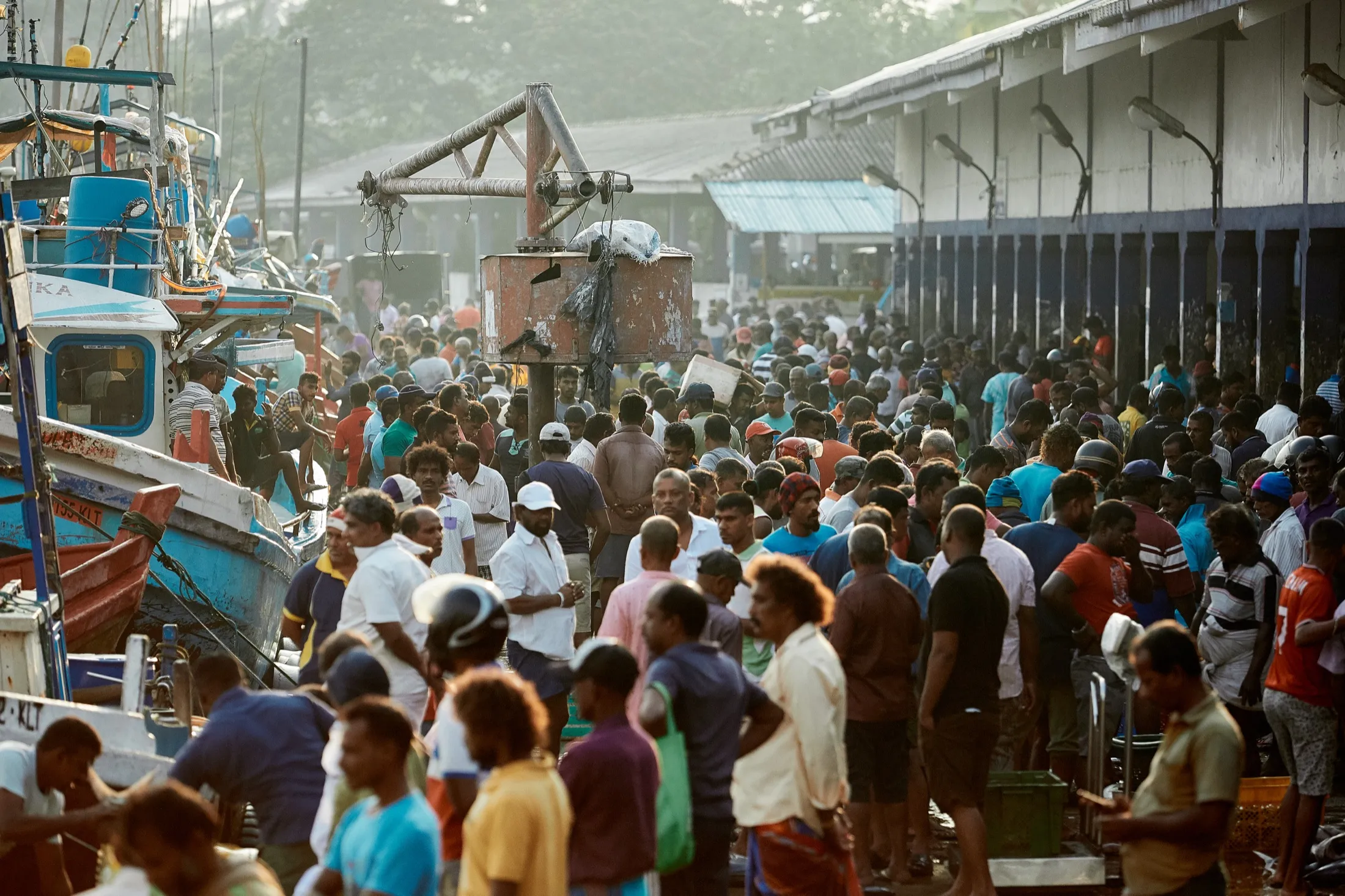
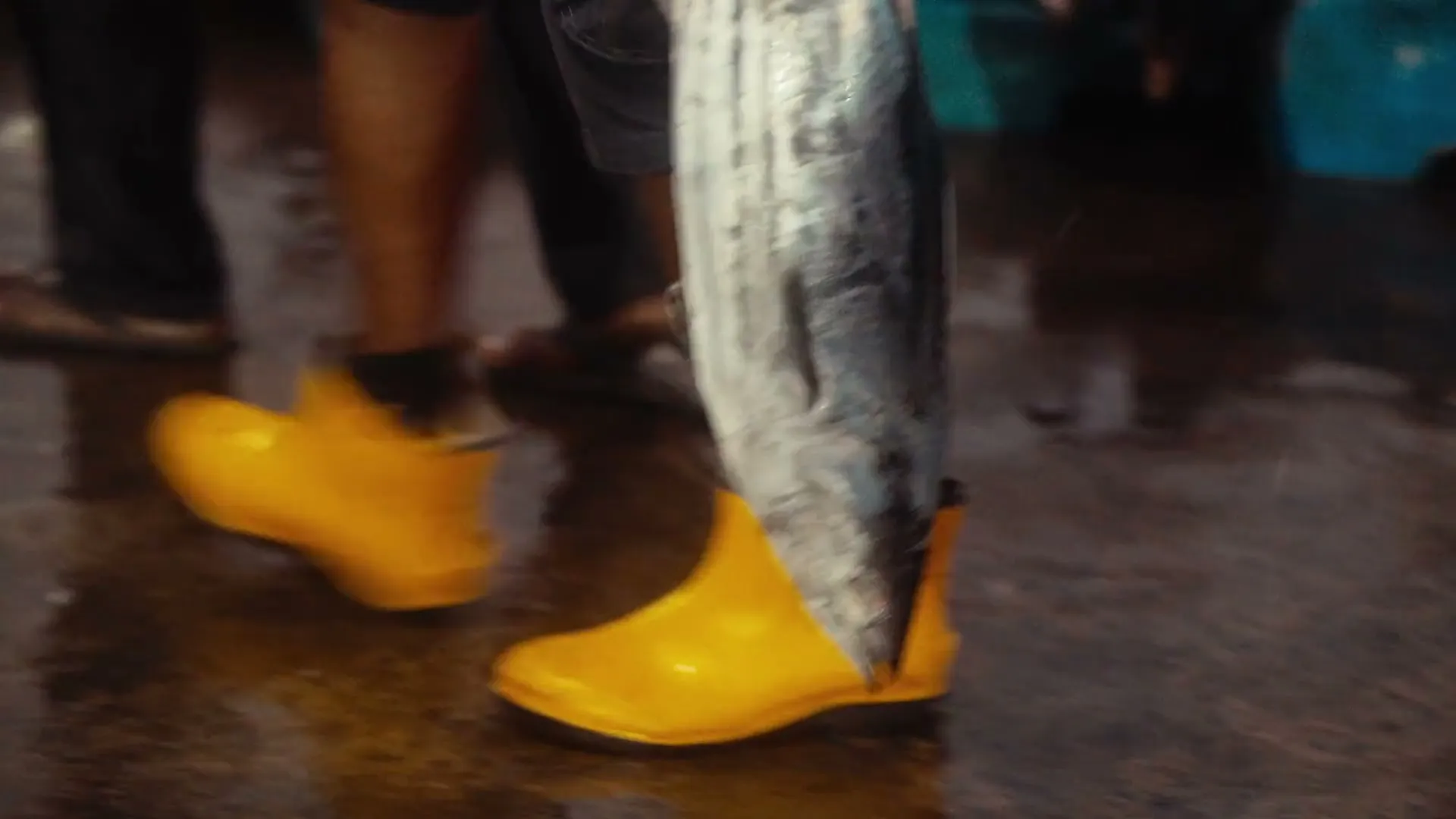
This is one you get up in the dark for. Not to find a market already full of people, but to watch the whole thing come into being: the boats, the unloading, the first few workers, and then everyone else.
In most places you stand and hope a picture assembles itself. Here there are ten of them at once. Shouting, offers, bargaining. The catch on the floor, and everyone moving through it. You cannot follow all of it. Sooner or later, you have to choose where to stay.
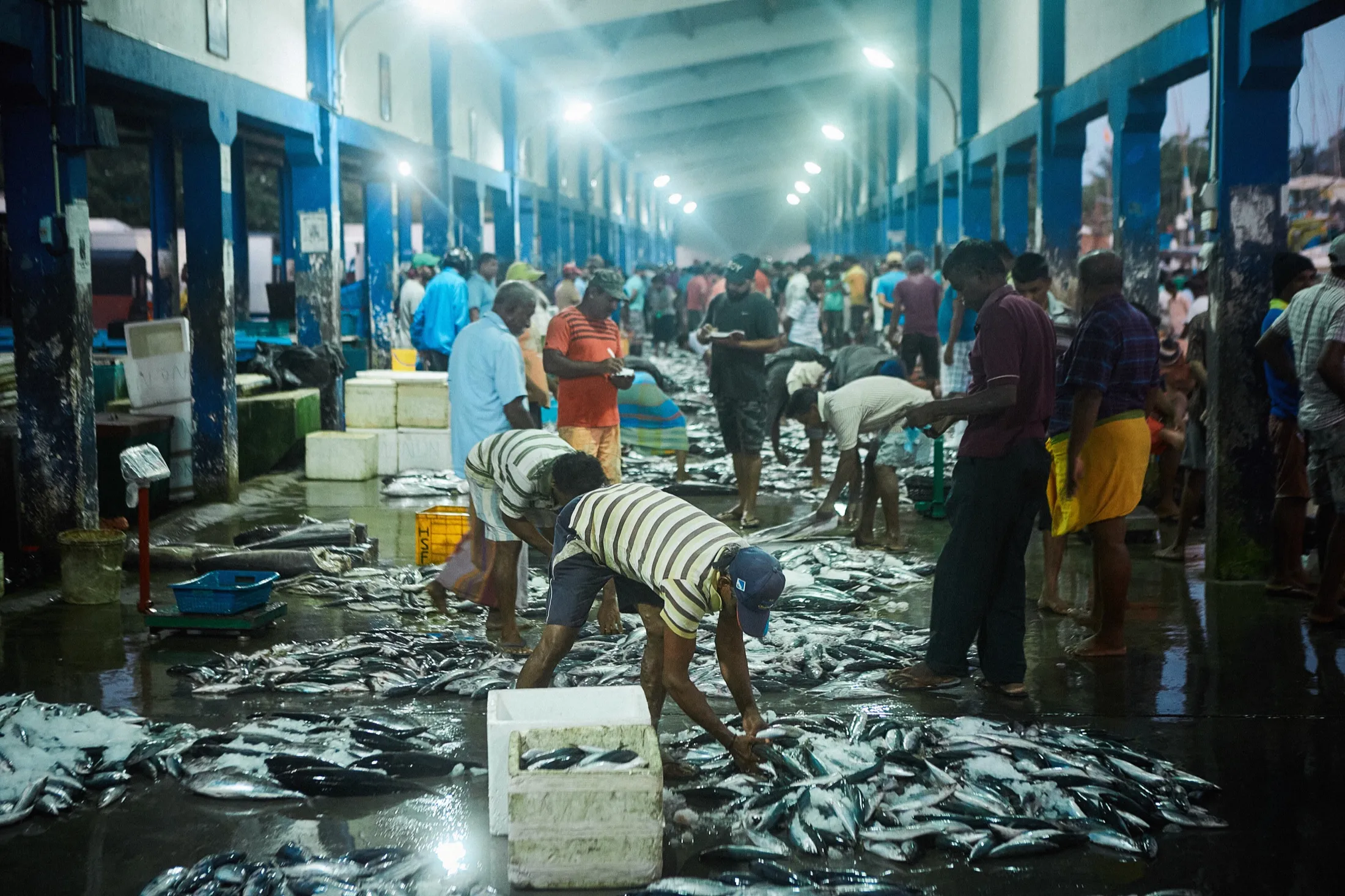
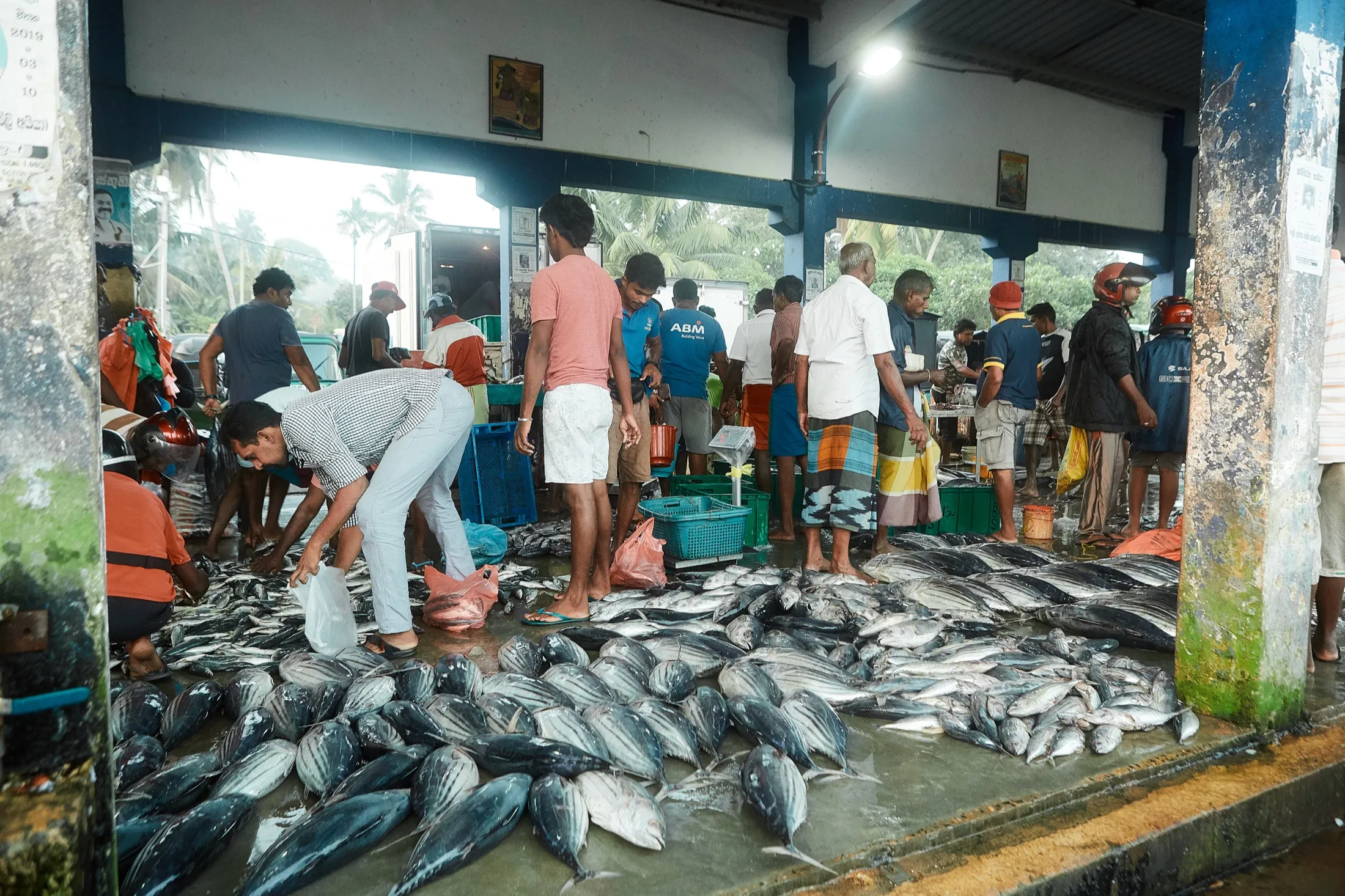
Yes brother, on my bicycle, at four in the early morning, from far away.
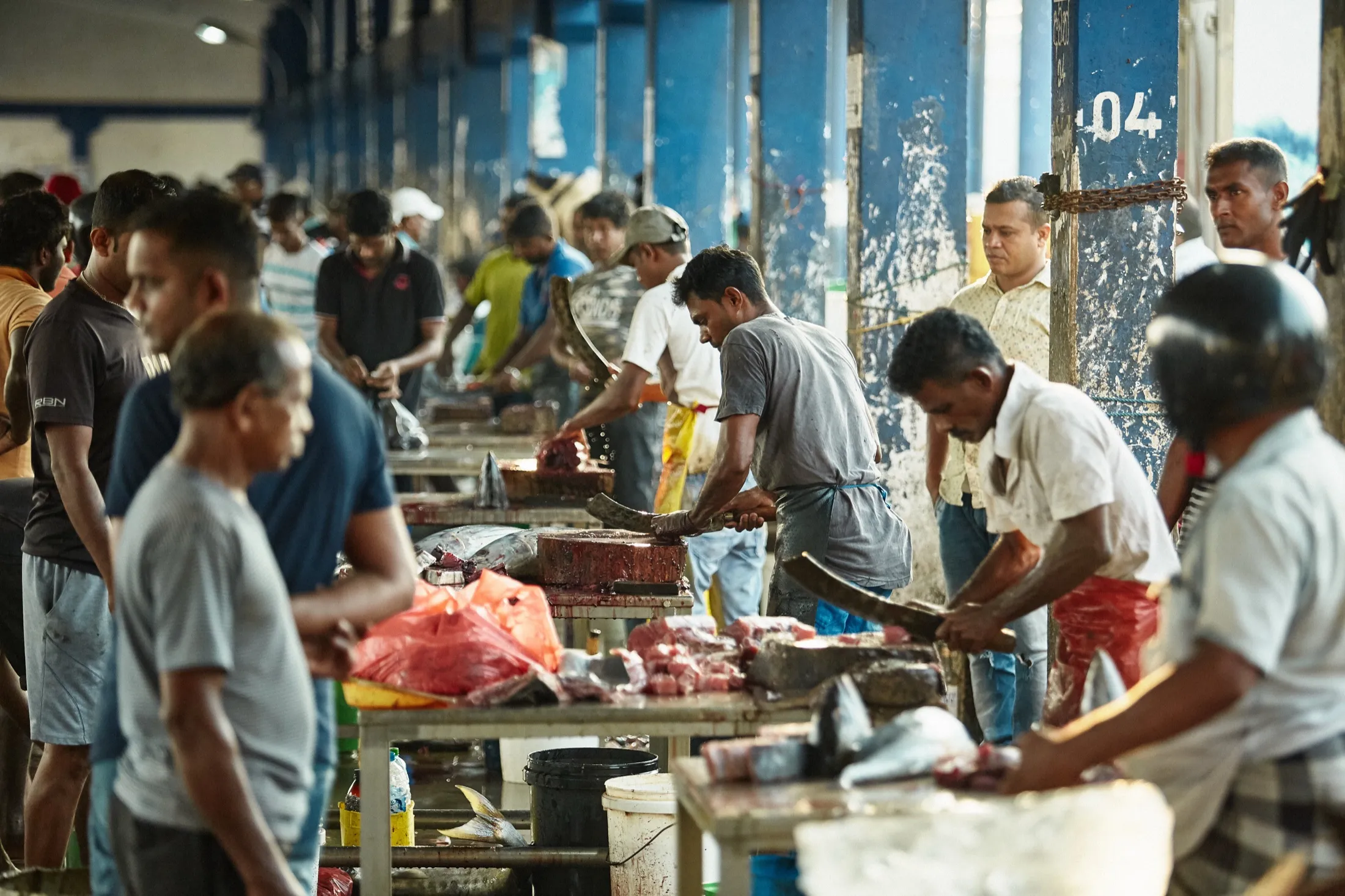
The man who cuts what you bought
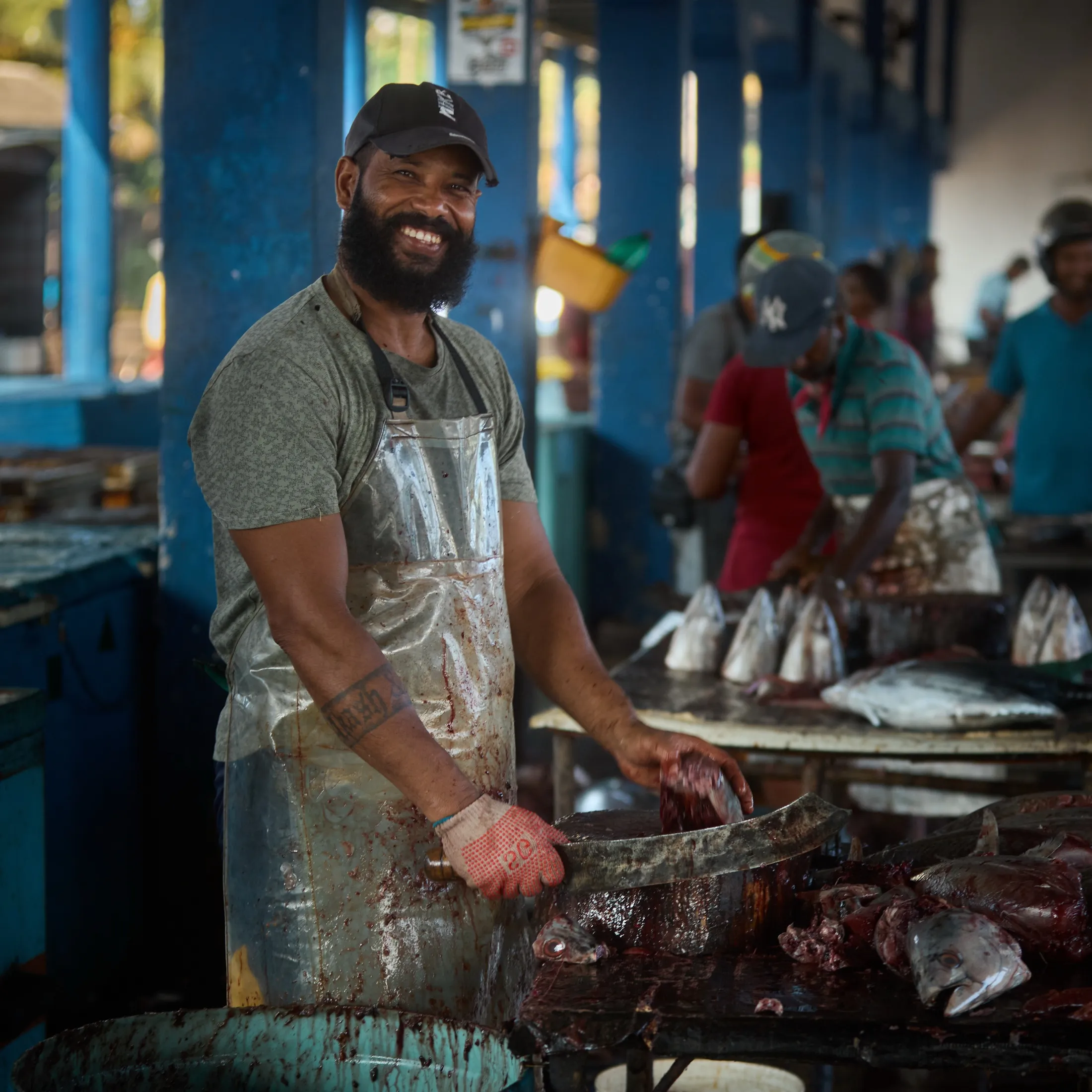
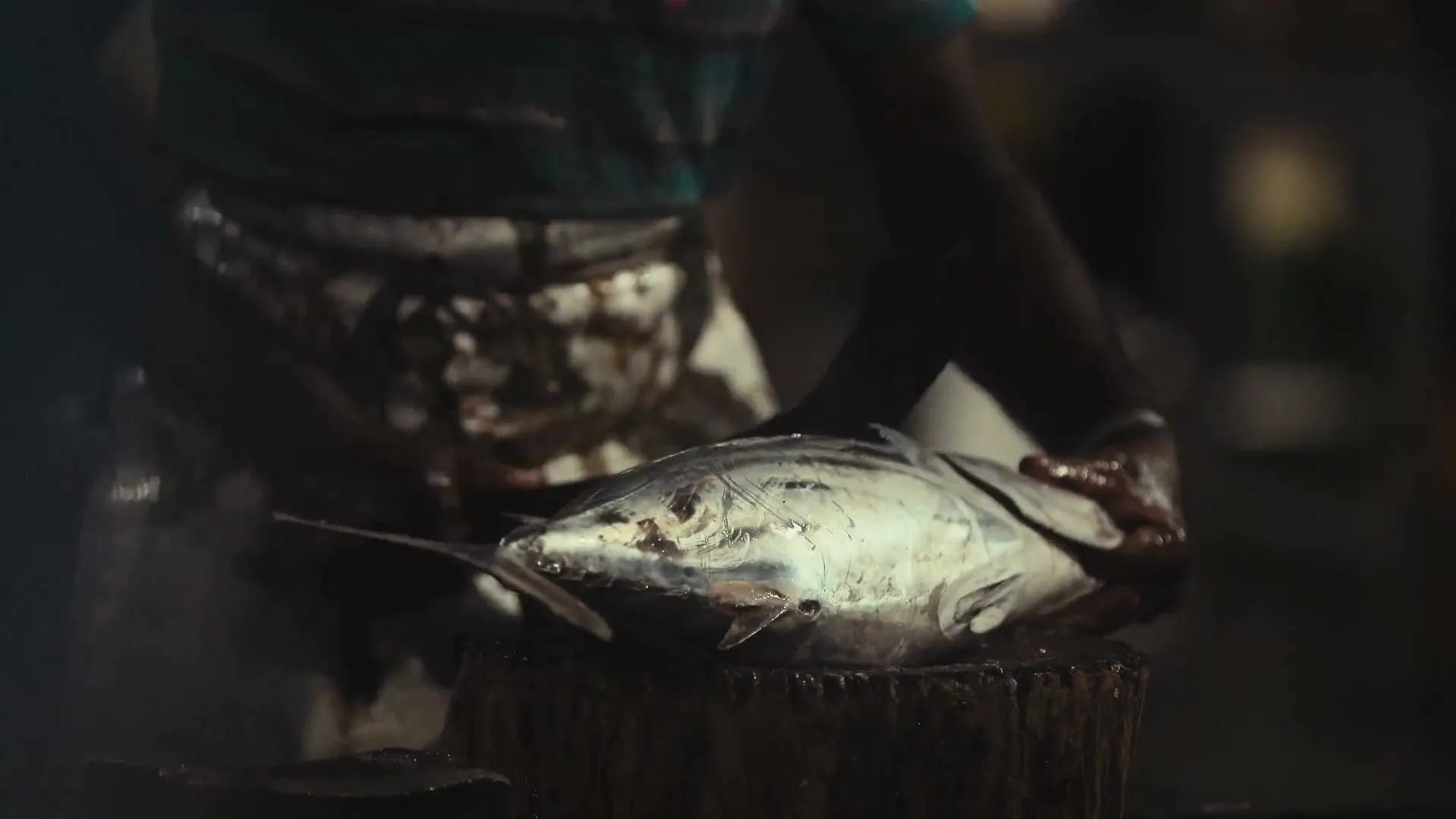
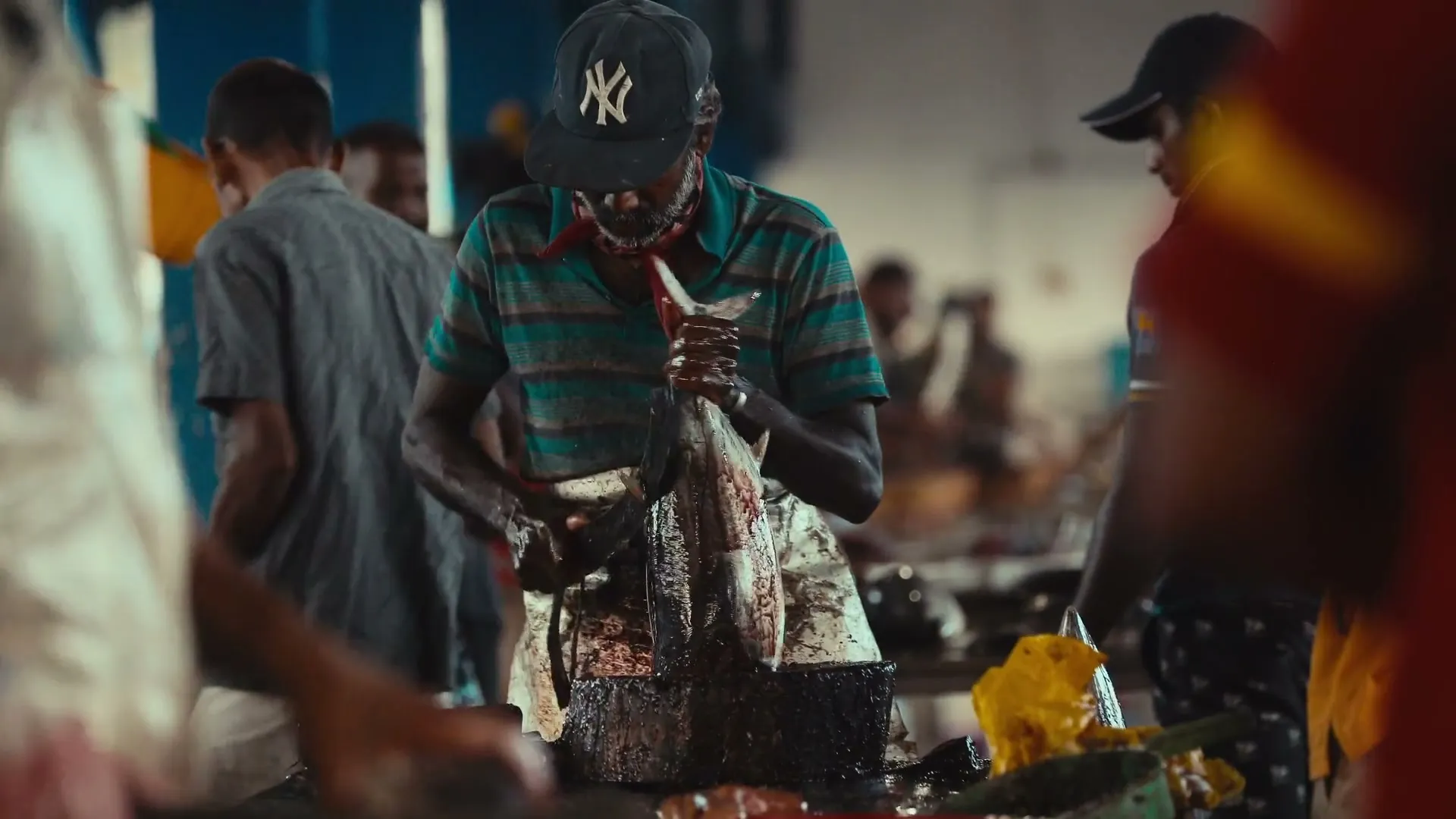
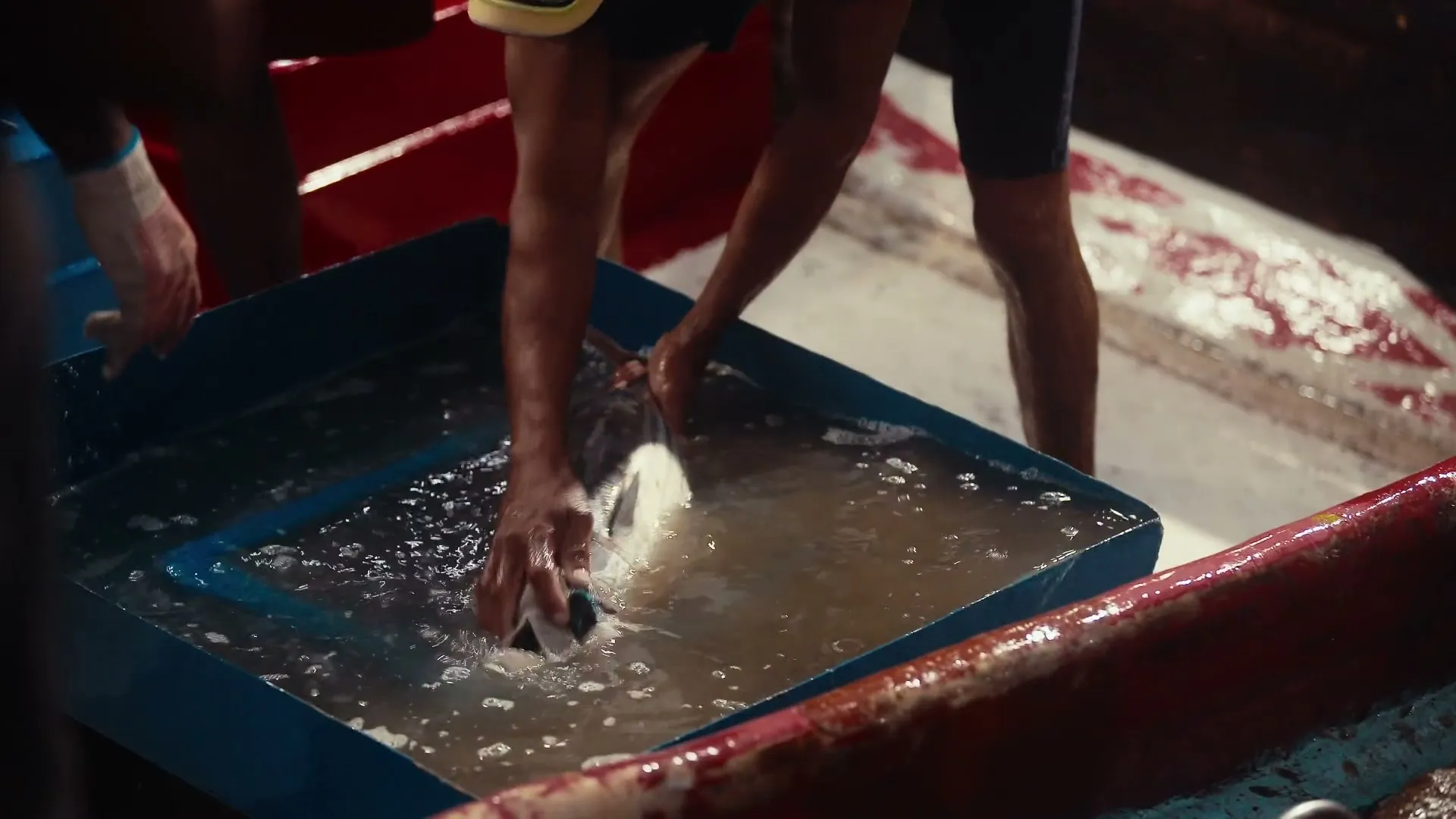
It was a real piece of luck to get talking to this cutter. He has his own spot on the market, and you bring him the fish you have just bought. For a small fee he cleans it and cuts it exactly the way you need it. For a meal, for an almsgiving, for a funeral.
I asked, through my guide, whether he would tell me something about his life on camera. He said yes.
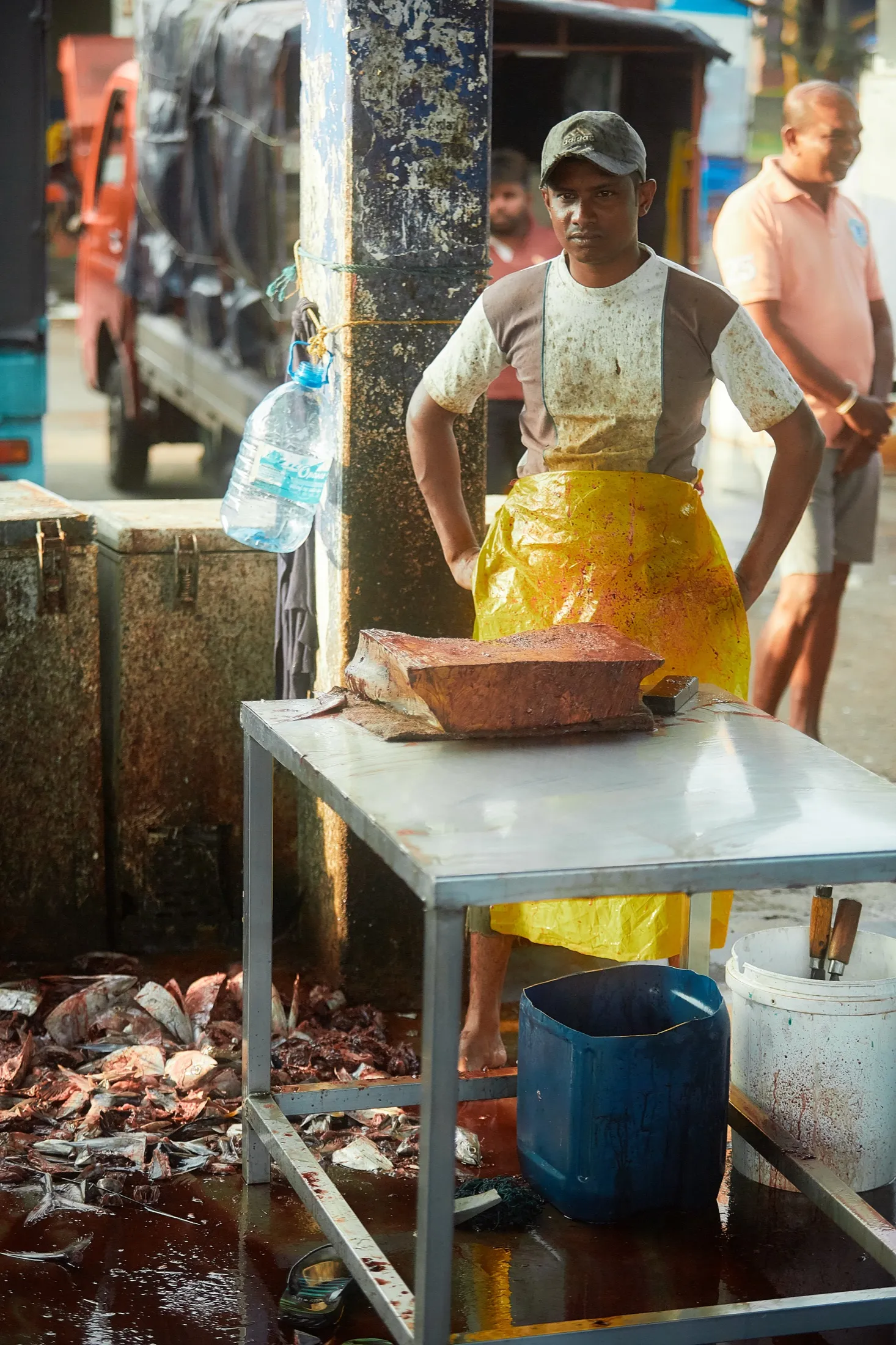
Why I came back
I went back the next morning for him, not for the market. That is the whole difference between photographing a place and photographing a person.
The filming was the smaller part of it. What stayed with me was the talking around it, with the camera down. He is a man with a great deal of life behind him who makes nothing of it. None of that can be planned. And it is usually what I actually bring home: not the location, but one person and the way he looks at the world.
Same market, another world
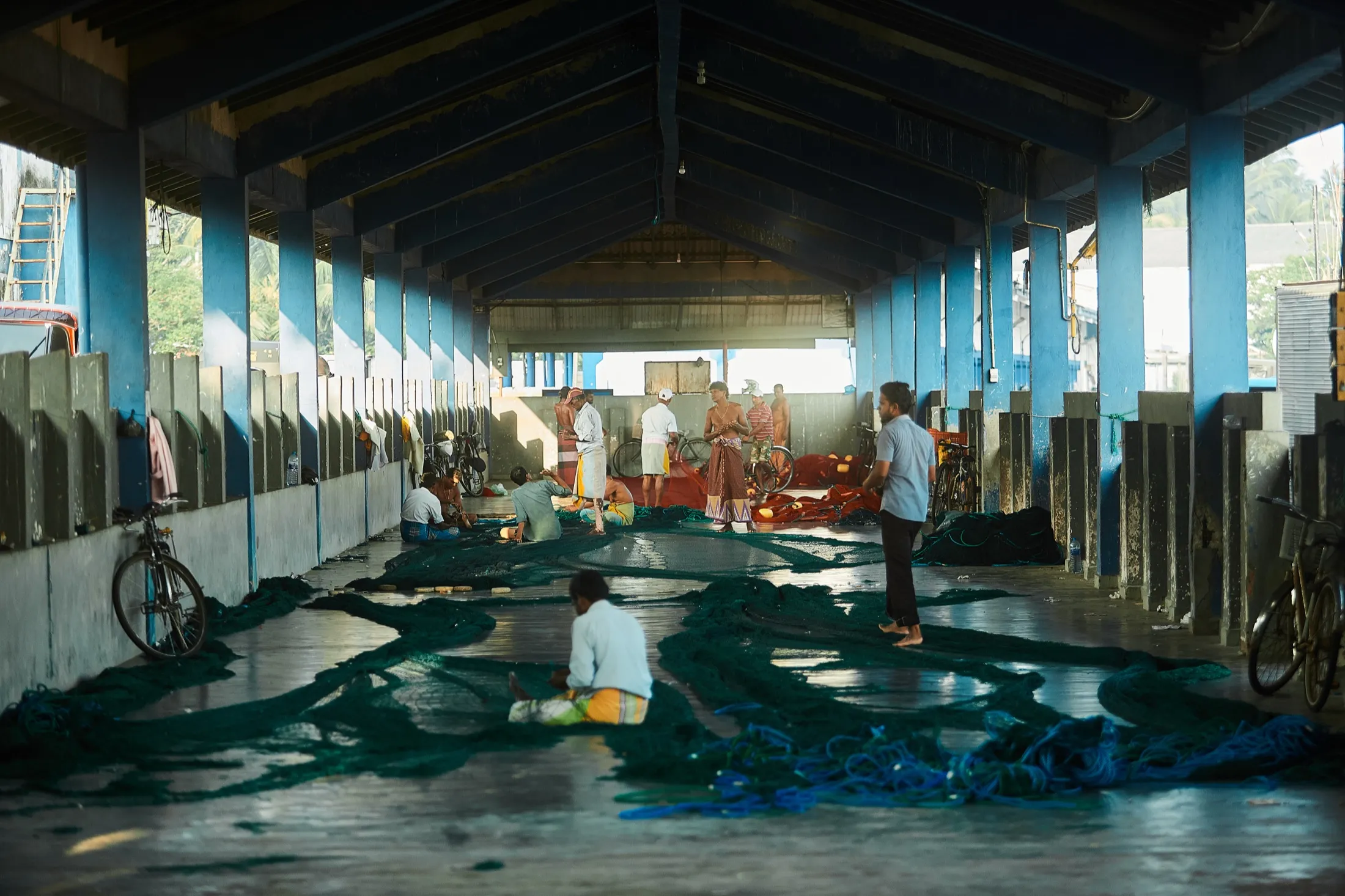
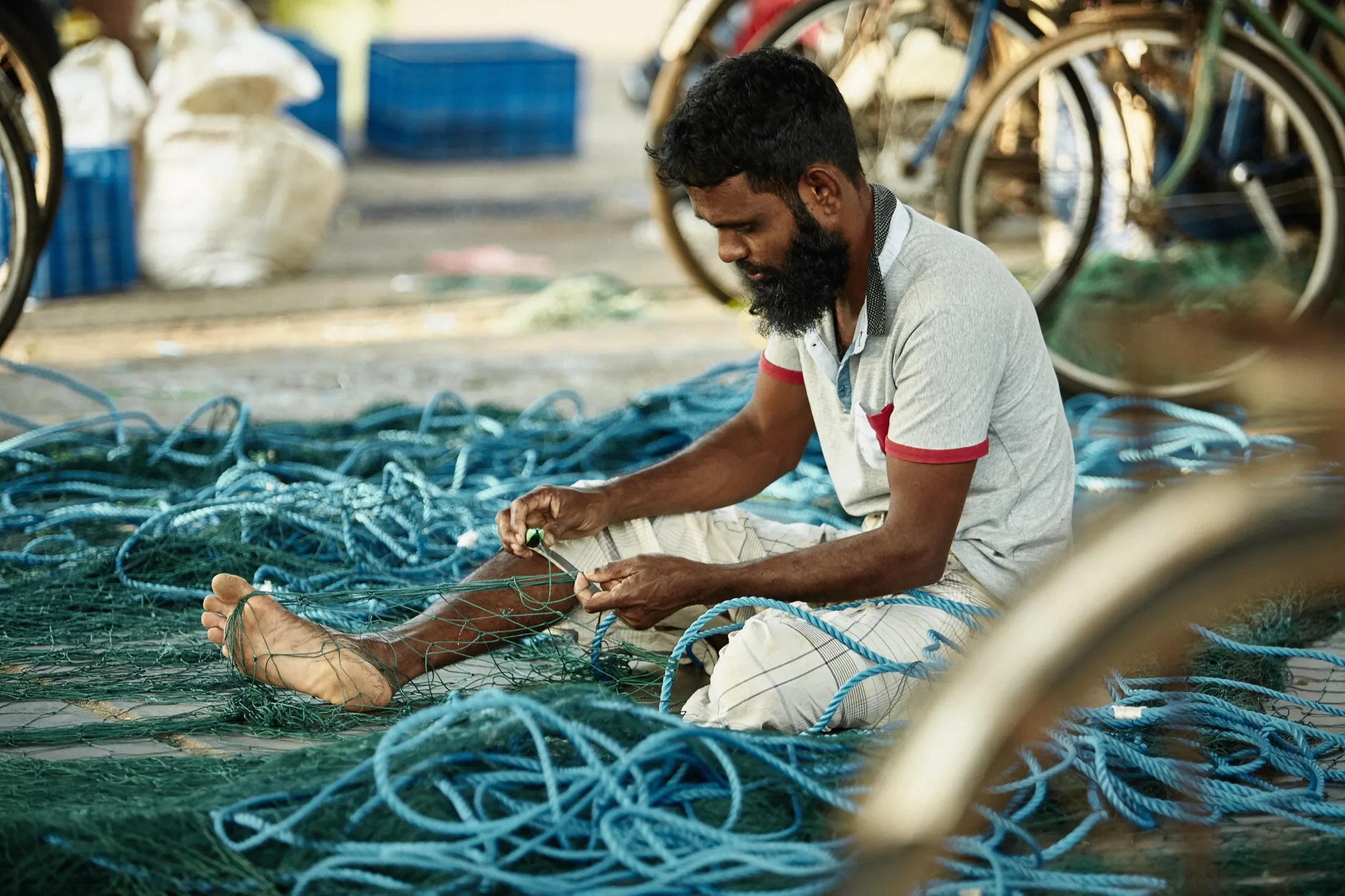
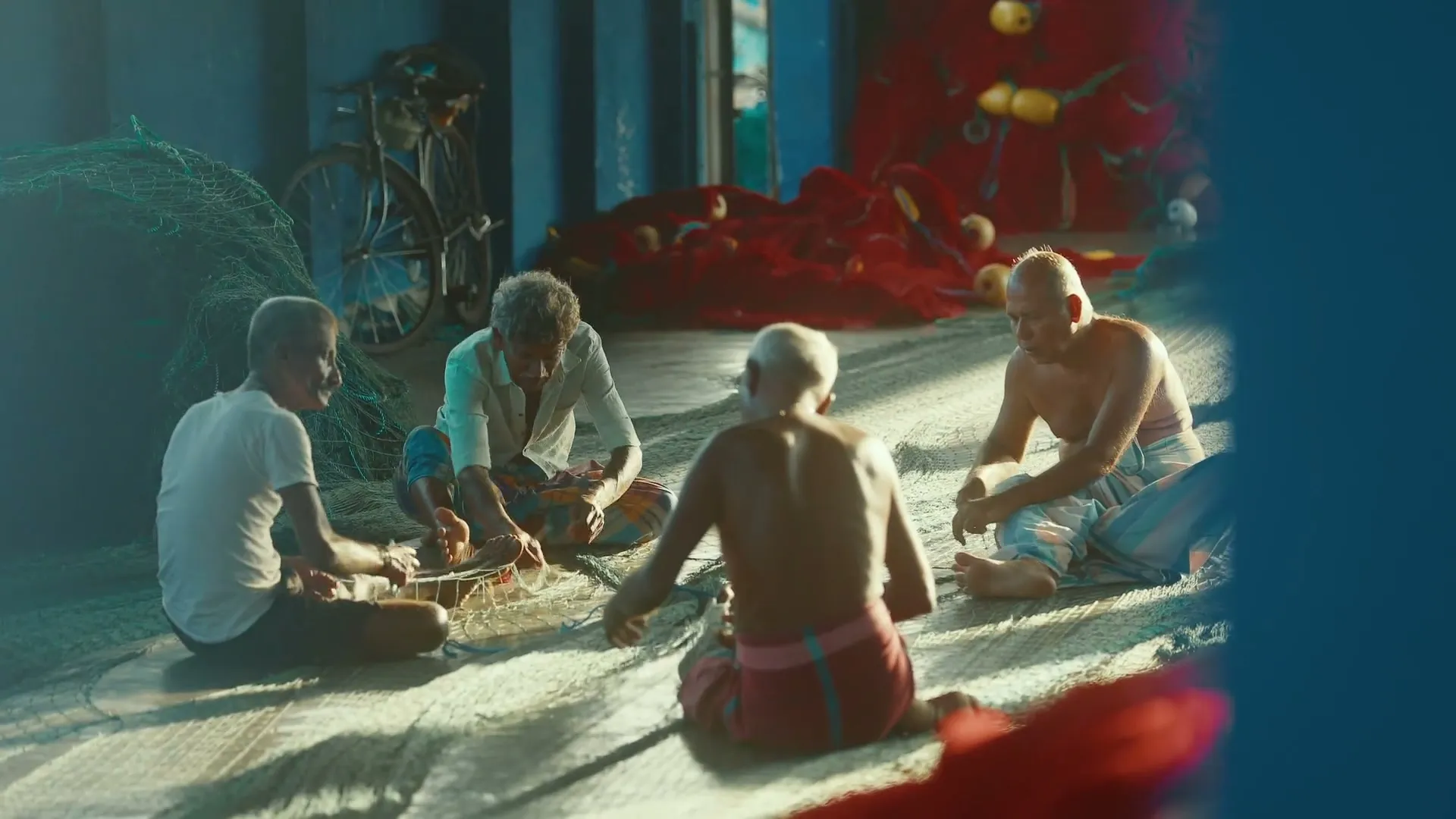
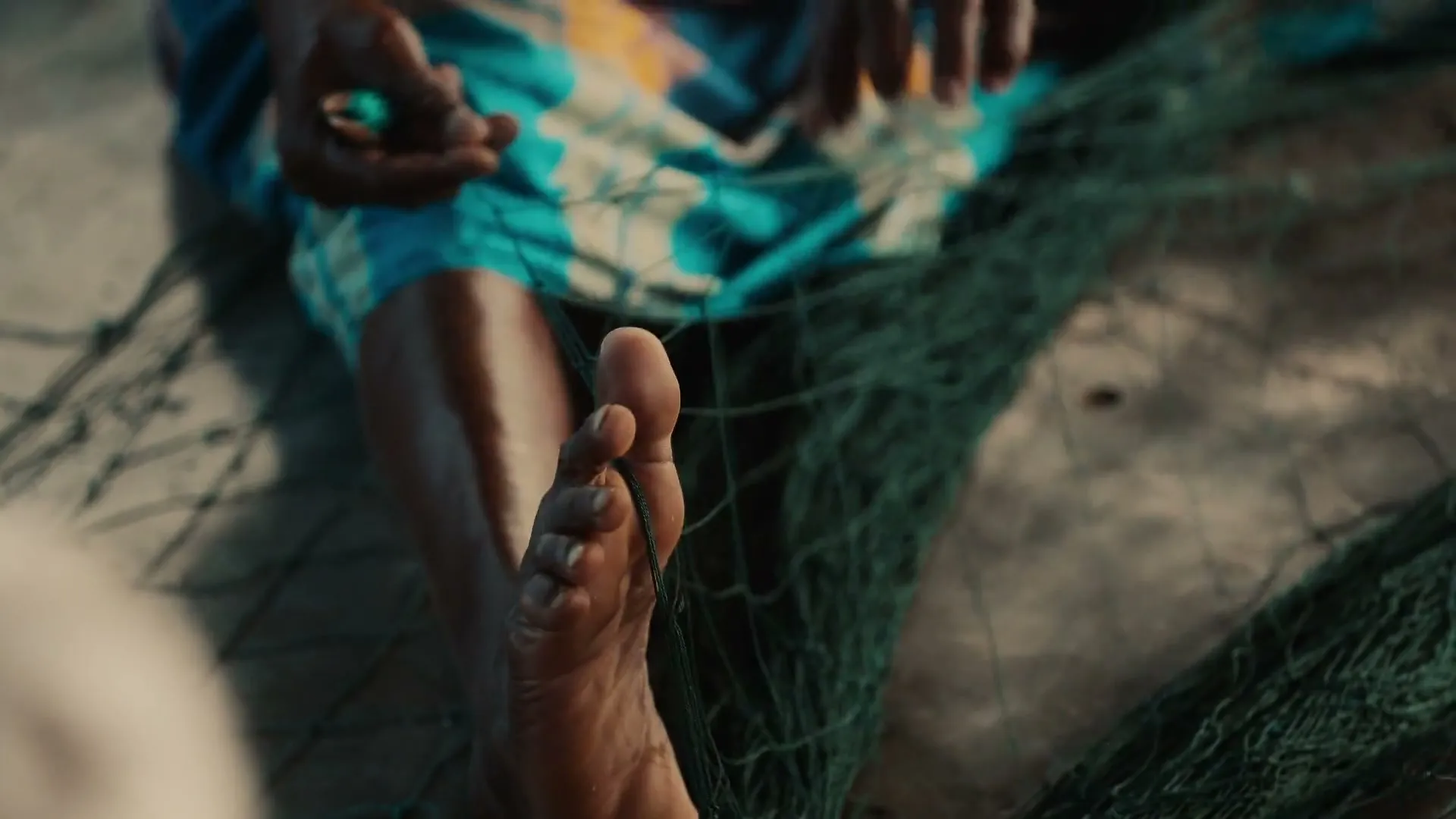
Ten metres away there is another building, where the fishermen repair their nets. You walk a few steps and you are somewhere else. The noise stops. Men sit over the nets and work at a slow, even pace, while the market goes on shouting on the other side of the wall.
These are the men who still go out.
In February, this market is where your first morning starts.
What this place teaches.
How fast you can decide. Not only what to point the camera at, but what to leave alone. Whether this is a portrait or the whole room. Whether you watch from ten metres away, or walk up and ask.
Here all of it is still open. If a morning takes you inside someone's home, the distance has been decided before you lift the camera: you are in it. Here you can still choose. That is why this one comes first.